
LTL vs. Truckload Shipping: Which Is Better for Your Freight (and Your Budget)?
Choosing the right freight shipping method can help you control costs, protect your cargo, and keep your supply chain moving without delay. But should you use less-than-truckload (LTL) shipping or reserve an entire truck?
The answer depends on your shipment size, delivery deadline, freight characteristics, and budget.
At JRN LLC, we provide LTL freight transportation for partial loads using sprinter vans and 26-foot box trucks. This guide explains LTL vs. truckload in general so you can see where our LTL service fits best and how our equipment supports partial-load freight, expedited shipping, dedicated route services, economy shipping, automotive supply transportation, medical supply transportation, and nationwide freight delivery.
What Is LTL Shipping?
Less-than-truckload shipping is designed for freight that does not require an entire trailer. In the traditional LTL model, carriers often share transportation capacity among multiple shippers and charge for only the portion of capacity your cargo uses.
At JRN LLC, our service model is centered on LTL and partial-load transportation with sprinter vans and 26-foot box trucks. That makes our service a strong fit for smaller palletized shipments, cartons, totes, boxed freight, automotive supplies, medical supplies, and business deliveries that need reliable transportation without oversized equipment.
In the broader freight market, LTL is often a cost-effective choice for one to several pallets, although the ideal shipment size can vary by carrier, equipment, lane, and service requirements.
Common LTL Shipments Include:
- Product replenishment shipments
- Pallets moving from a supplier to a warehouse
- Automotive parts and materials
- Medical supplies and equipment
- Commercial inventory for retailers
- Smaller shipments from growing businesses
- Freight that does not justify booking a full trailer
In the traditional LTL model, shipping can reduce transportation expenses because you are not paying for unused trailer space. Instead, your rate is generally based on factors such as weight, dimensions, distance, freight classification, and additional services.
What Is Truckload Shipping?
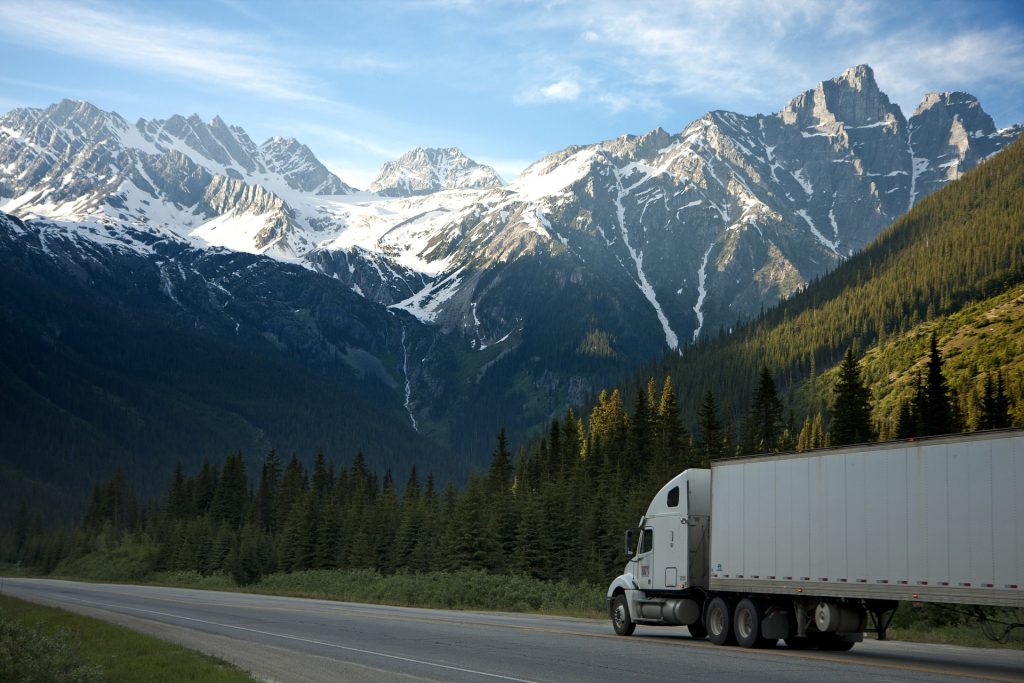
Truckload shipping, also called full truckload or FTL shipping, is used when one customer’s freight occupies most or all of a full-size trailer. That type of service is generally provided by carriers operating tractor-trailers, with the trailer dedicated to one shipment and often moving directly from pickup to delivery.
A full truckload may carry approximately 26 to 30 pallets and up to 30,000 to 45,000 pounds, depending on the trailer and shipment requirements.
Truckload shipping from tractor-trailer carriers is often the better option when a shipment needs:
- Direct, point-to-point transportation
- Full trailer space
- Transportation for very large shipments
- Fewer handling points
- Additional protection for high-value or fragile freight
- More control associated with dedicated trailer moves
With truckload shipping, freight is often loaded once and delivered once. This can reduce the number of terminal transfers and handling points compared with standard LTL service.
JRN LLC provides LTL transportation with sprinter vans and 26-foot box trucks for partial loads, so businesses that need right-sized freight service can turn to us for dependable support.
LTL vs. Truckload: The Main Differences
| Feature | LTL Shipping | Truckload Shipping |
|---|---|---|
| Equipment in this comparison | At JRN LLC, sprinter vans and 26-foot box trucks for partial loads | Typically tractor-trailer equipment operated by other carriers |
| Space used | Only the capacity your shipment needs | Most or all of a full trailer |
| Typical shipment size | Smaller palletized or partial-load freight | Large shipments that fill much of a trailer |
| Pricing | Based on shipment details, space used, distance, and service needs | Usually based on a dedicated lane or full-load rate |
| Transit | Depends on routing, scheduling, and handling needs | Usually more direct from origin to destination |
| Handling | Varies by service model and freight requirements | Often fewer handling points |
| Best for | Smaller, cost-sensitive shipments that do not need a full trailer | Large, time-sensitive, fragile, or high-volume freight |
| Main advantage | Cost-effective transportation for partial loads without booking oversized equipment | Full-trailer control and dedicated capacity |
Neither option is automatically better for every shipment. The best freight transportation method is the one that matches your cargo and delivery needs.
When LTL Shipping Is the Better Choice
LTL is usually the right choice when your shipment is too large for parcel delivery but too small to require full tractor-trailer capacity.
1. You Have a Smaller Shipment
If you have one to several pallets or other partial-load freight, LTL can help you avoid paying for oversized equipment you do not need. This makes it an efficient solution for businesses that ship partial loads or do not have enough freight to justify full tractor-trailer capacity.
For many companies, our sprinter vans and 26-foot box trucks offer the right balance between affordability and dependable freight delivery. They are well suited for practical business shipments that need flexibility, efficient loading, and reliable service.
2. Cost Control Is a Priority
With traditional LTL carriers, shippers share transportation capacity with other customers. As a result, your business pays for the cargo space it uses rather than the entire trailer.
This can be especially helpful for small businesses, distributors, manufacturers, and retailers managing regular shipments with limited volume. It also highlights why right-sized partial-load transportation can be such a practical fit.
3. Your Freight Can Handle Additional Touchpoints
With traditional LTL carriers, freight may be moved through one or more terminals before reaching its destination. Your cargo should be packaged, palletized, and secured to handle normal loading and unloading activity.
Proper packaging is important. Strong pallets, stretch wrap, protective materials, and clear labeling can help reduce damage risk and keep your freight organized.
4. You Need Flexible Shipping Capacity
Your shipping volume may change from week to week. LTL allows you to ship smaller quantities without waiting until you have enough freight for a full trailer move through a tractor-trailer carrier.
That flexibility helps you maintain inventory levels, respond to customer demand, and avoid unnecessary storage costs. It also lets you use right-sized equipment, including sprinter vans and 26-foot box trucks, for shipments that do not need oversized transportation.
Learn more in our brief guide to LTL freight shipping.
When Truckload Shipping Is the Better Choice
Truckload shipping becomes more attractive when a shipment truly needs full tractor-trailer capacity or full-trailer dedication from a carrier that offers that equipment.
1. Your Freight Uses Most of a Trailer
When your shipment reaches the point where it would use most of a full-size trailer, it is worth comparing your options with a truckload carrier. This usually applies to much larger shipments than the partial loads we handle with sprinter vans and 26-foot box trucks.
Depending on route, dimensions, total weight, and handling requirements, a truckload move through another carrier may be more economical than breaking a large shipment into smaller segments.
2. You Need Full-Trailer Direct Service
Truckload service generally moves freight more directly because the shipment is assigned to a dedicated full-size trailer. Since the load is not sharing space with other customers’ freight, it may arrive faster and with fewer schedule variables.
This can make truckload a strong choice through another carrier for:
- Large production shipments
- Distribution center or warehouse replenishment at trailer-scale volume
- Time-sensitive full-load orders
- Large project freight
- Shipments that require dedicated full-trailer space
If your deadline is firm and your shipment fits our service model, we can help with expedited shipping services and freight solutions using our sprinter vans and 26-foot box trucks.
3. Your Freight Needs Fewer Handling Points at a Larger Scale
Every additional handling point creates another opportunity for delays, shifting, or damage. Full truckload service through a tractor-trailer carrier can reduce these touchpoints by keeping a very large shipment in one dedicated trailer for direct transportation.
For large fragile shipments, high-volume inventory, or freight that truly requires full-trailer isolation, truckload may offer added peace of mind. For partial loads, our sprinter vans and 26-foot box trucks remain the more practical fit.
4. You Need Equipment Sized for Partial Loads, Not a Tractor-Trailer
Many businesses do not need a 53-foot trailer at all. They need dependable, right-sized transportation that can move partial freight efficiently and without overpaying for unused space.
That is where our equipment stands out. Sprinter vans offer fast, flexible movement for smaller freight and urgent deliveries. Our 26-foot box trucks provide more enclosed cargo capacity for palletized LTL shipments while still being more practical than full tractor-trailer equipment for many business loads.
For consistent origin-and-destination lanes, dedicated route services may help create a more dependable transportation plan with our sprinter vans and 26-foot box trucks when your freight fits our LTL service.
How Freight Class Affects LTL Pricing
One important difference between LTL and truckload shipping is how rates are calculated.
LTL rates commonly consider freight classification. Classification may reflect:
- Density
- Stowability
- Handling requirements
- Damage or liability risk
- Weight and dimensions
The more accurately you describe your freight, the more accurately your shipment can be rated. Incorrect dimensions, weight, or freight classification can lead to unexpected charges after pickup.
Truckload pricing is generally simpler. Rates are often negotiated for the specific lane and load by carriers offering tractor-trailer service, with fuel costs and special services included as applicable.
That does not mean truckload is always cheaper. It means the pricing structure is different. For partial loads, right-sized equipment such as sprinter vans and 26-foot box trucks can be the more practical and cost-effective solution. We recommend comparing the complete transportation cost rather than looking only at the initial quote.
Do You Have a Borderline Shipment?
Some shipments fall between small-package delivery and full tractor-trailer service. You may have more freight than parcel can handle efficiently, but not nearly enough to justify a full trailer.
This is often where right-sized LTL equipment becomes especially useful.
A partial-load shipment may be a good option for our service when you have:
- Several pallets but not a full trailer-scale shipment
- Freight that fits well in a 26-foot box truck
- Smaller urgent freight that fits a sprinter van
- Cargo that needs enclosed transportation and practical scheduling
- A need to control costs while avoiding oversized equipment
For these shipments, our team can review your dimensions, weight, timing, and handling needs and help you decide whether a sprinter van or 26-foot box truck is the better fit. If a shipment truly requires full truckload or tractor-trailer capacity, that is typically where another carrier’s service would apply.

A Simple Way to Choose the Right Shipping Method
Ask yourself these five questions before booking your freight:
1. How many pallets are you shipping?
One to several pallets will often fit well with LTL. If your shipment is much larger and begins to approach full trailer use, truckload with another carrier may be worth comparing.
2. What is the total weight and volume?
Weight alone does not determine the best option. Pallet dimensions, cubic space, and how the freight fits within a sprinter van or 26-foot box truck also matter.
3. How quickly must the freight arrive?
If your delivery deadline is strict, expedited shipping may provide better schedule control. If the shipment also requires full tractor-trailer capacity, that is typically where a truckload carrier comes in.
4. How sensitive is the freight?
Fragile, high-value, temperature-sensitive, or specialized freight may benefit from fewer handling points and equipment that matches the shipment size appropriately.
5. What services are required at pickup or delivery?
Liftgate service, appointments, limited-access locations, inside delivery, and other requirements can affect the cost and availability of LTL transportation.

How JRN LLC Helps You Control Freight Costs
You should not have to guess which shipping method will protect your budget and your delivery schedule.
At JRN LLC, we provide reliable freight transportation and logistics support for businesses throughout the United States. We help you evaluate shipment size, delivery requirements, timing, and handling needs so you can choose a practical solution. Our equipment is focused on LTL freight using sprinter vans and 26-foot box trucks for partial loads, supported by expedited shipping, dedicated route services, economy shipping, automotive supply transportation, medical supply transportation, and nationwide freight delivery.
Our services include:
- LTL freight shipping
- Expedited shipping
- Dedicated route services
- Economy shipping
- Automotive supply transportation
- Medical supply transportation
- Nationwide freight delivery
- Real-time shipment tracking
With real-time cargo tracking, you can monitor your shipment from pickup through final delivery. You stay informed, and our team remains available to support your transportation needs.
For more guidance, read our ultimate guide to freight shipping services.
LTL or Truckload: Which Is Better for Your Freight?
Choose LTL when you are shipping a smaller, palletized, boxed, or partial load and want to control transportation costs with equipment that fits the job.
Choose truckload when your freight fills much of a full-size trailer, requires full-trailer dedication, or truly needs tractor-trailer service from a carrier that offers it.
At JRN LLC, we provide LTL transportation with sprinter vans and 26-foot box trucks for partial loads. If your shipment fits LTL, we will help you choose a dependable, right-sized solution for your business.
Ready to discuss your next shipment? Contact JRN LLC or call 888-753-9773 to request a freight solution that fits your needs.